Unlocking Metabolic Potential: Can Lemon Polyphenols Support GLP-1?
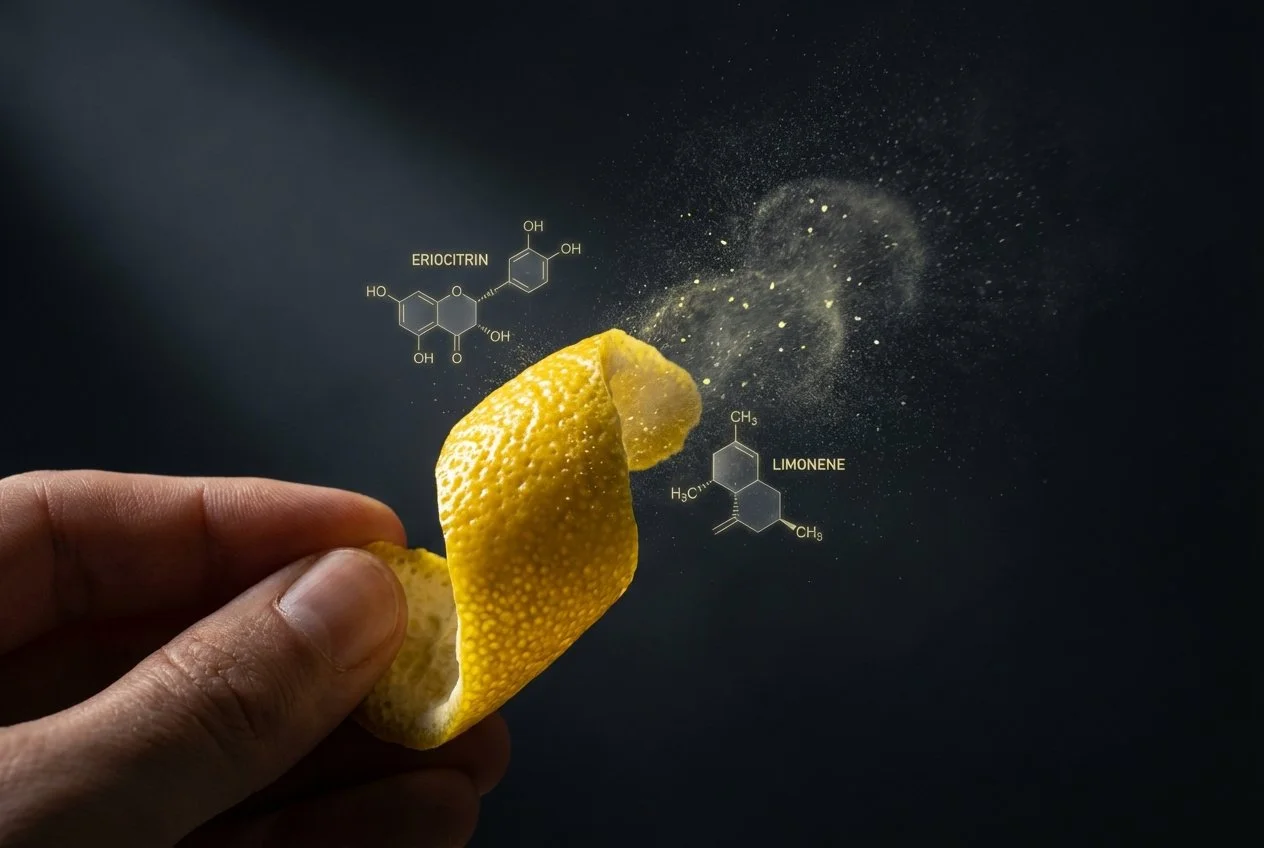
Hidden within the vibrant yellow skin lies eriocitrin, a potent compound linked to metabolic health.
When we think of lemons, we usually picture the tart juice or a boost of Vitamin C. However, the future of metabolic health might actually lie in the peel. Hidden within the vibrant yellow skin is a powerful compound called eriocitrin, a natural polyphenol that researchers are beginning to study for its potential role in how our bodies process energy. For those interested in bio hacking their own physiology or simply understanding how food impacts feeling, looking beyond the juice to the peel offers a fascinating glimpse into nutritional biochemistry.
Understanding these mechanisms is crucial for anyone seeking stable energy and better control over their biology. By exploring how specific plant compounds interact with our hormones, we can better understand the complex dance between what we eat and how we feel. Let’s peel back the layers of this science.
How do lemon polyphenols impact GLP-1 and appetite?
The star of this conversation is eriocitrin, the polyphenol responsible for the lemon’s yellow color. Emerging science suggests this molecule does more than just provide pigmentation; it may play a significant role in stimulating the production of GLP-1 (glucagon-like peptide-1). GLP-1 is a hormone secreted by the gut when we eat, often referred to as a "satiety signal." It tells the brain that we are full, slows down gastric emptying, and prepares the body to manage the incoming energy.
Why does this matter for blood sugar support? When GLP-1 is optimized, it enhances insulin secretion in response to meals. This helps the body move glucose out of the blood and into the cells more efficiently. In a recent crossover randomized clinical trial, participants who supplemented with 200 mg of eriocitrin daily for three months experienced a 22% increase in their natural GLP-1 production. This suggests that certain plant compounds might act as natural signaling boosters, helping the body regulate appetite and glucose usage more effectively.

Optimizing GLP-1 can transform how the body signals fullness and processes energy.
Can natural compounds influence markers of pre-diabetes?
One of the most compelling areas of metabolic health research involves pre-diabetes and the body's ability to maintain healthy fasting glucose levels. When the body struggles with insulin resistance, glucose spikescan become more frequent and harder to manage. The same study on eriocitrin provided some hopeful data in this regard.
Researchers observed that among participants with elevated glucose markers, 24% saw their condition reverse, meaning their fasting glucose dropped back to healthy ranges, after three months of supplementation. While this is a single study and individual results always vary, it highlights the potential power of antioxidant and anti-inflammatory properties found in nature. It paints a picture where supporting our metabolism isn't just about restricting carbs, but also about adding supportive nutrients that help our internal systems function as intended.
What role do botanicals like loquat leaf play in longevity?
In the world of longevity and wellness, enthusiasts often look for "stacks, combinations of ingredients that work via different pathways. While eriocitrin focuses on the hormonal side (boosting GLP-1), other botanicals are explored for their ability to interact with enzymes. For example, mulberry leaf and its active component DNJ are often discussed regarding carbohydrate absorption. Similarly, loquat leaf (also known as níspero) helps round out the conversation on botanical blood sugar support.
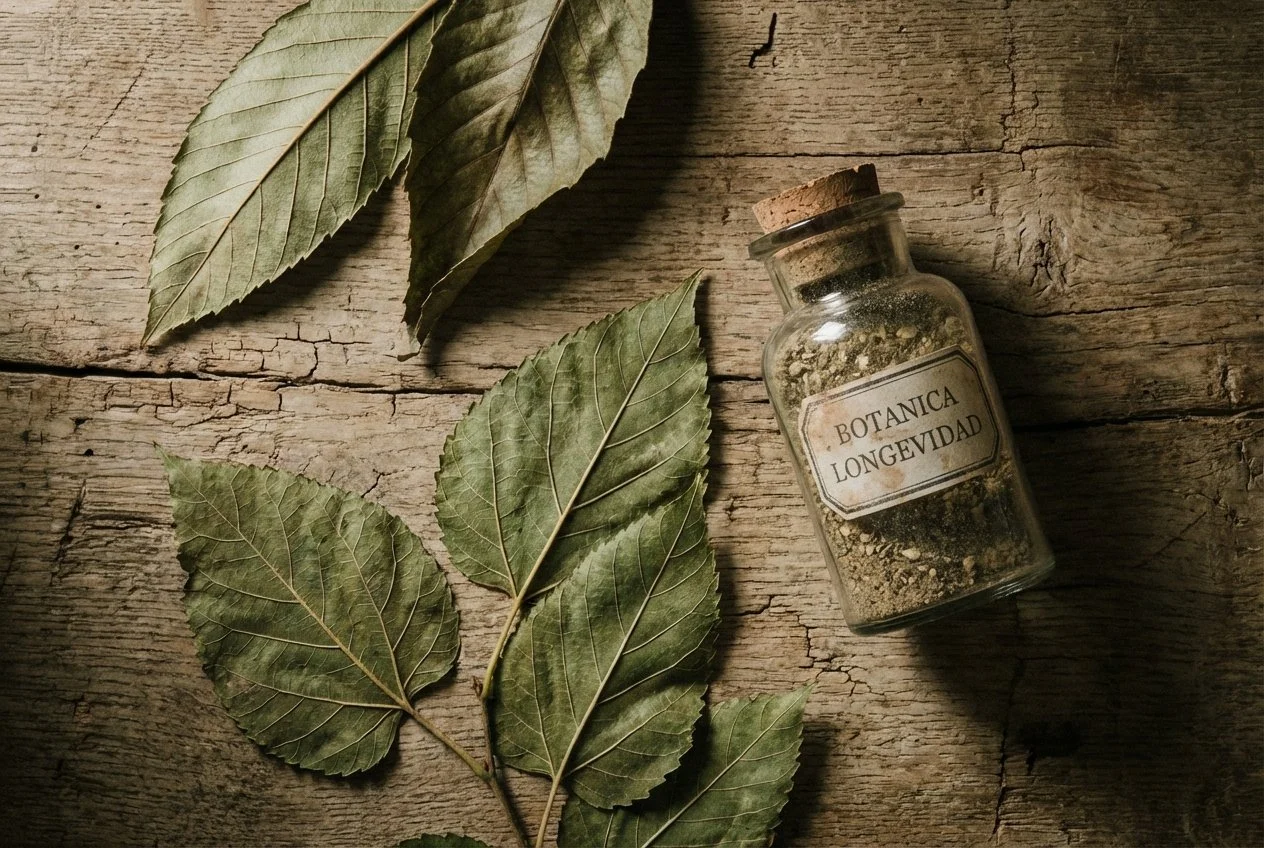
Beyond lemons, botanicals like loquat leaf are being explored for their synergistic effects on blood sugar.
Some wellness enthusiasts explore botanicals like loquat leaf (níspero) for general metabolic health. While traditionally used, research is still emerging, and these ingredients should be seen as supportive rather than corrective. Common consumer products that include loquat leaf or similar botanical blends for general blood sugar support include Level Off by Natural Cure Labs, Lemme Curbs, and the Anti-Spike Formula by Glucose Revolution. These are typically marketed as wellness supplements rather than medical treatments, so readers should approach them as optional additions within a broader lifestyle framework.
How does stable energy relate to daily habits?
Ultimately, the goal of understanding insulin, glucose spikes, and hormones like GLP-1 is to achieve stable energy throughout the day. When our blood sugar acts like a rollercoaster, our energy levels and mood often follow suit. Incorporating knowledge about compounds like eriocitrin or loquat leaf allows us to view food as information.
Think of your metabolism like an orchestra. Carbs are the percussion—necessary but loud if uncontrolled. Insulin is the conductor trying to keep the tempo. Compounds that support GLP-1 or reduce inflammation act like the acoustics of the hall, making it easier for the conductor to do their job without chaos. Whether through whole foods or careful supplementation, supporting these pathways contributes to a strategy focused on long-term vitality rather than quick fixes. For more on how to manage your daily rhythm, check out our guide on glucose spikes and understanding insulin resistance.

Think of insulin as the conductor of an orchestra, keeping the body's energy rhythm in check.
Why does looking beyond the fruit matter?
Science is constantly uncovering new layers to the foods we thought we knew. The discovery that lemon peel contains eriocitrin, a molecule capable of influencing GLP-1, appetite, and fat metabolism, reminds us to stay curious. Whether you are navigating pre-diabetes or simply aiming for better longevity, the key is a holistic approach that combines whole foods, movement, and an understanding of your body's unique signals.
References
Hiramitsu, M., et al. (2021). Eriocitrin improves hyperglycemia and insulin resistance in specialized research models. Journal of Nutritional Science and Vitaminology.
Marathe CS, Rayner CK, Jones KL, Horowitz M. Effects of GLP-1 and Incretin-Based Therapies on Gastrointestinal Motor Function. https://pmc.ncbi.nlm.nih.gov/articles/PMC3124003/
Hydroxytyrosol supplementation improves antioxidant and anti-inflammatory status in individuals with overweight and prediabetes: A randomized, double-blind, placebo-controlled parallel trial. https://doi.org/10.1016/j.clnu.2025.07.006
Alessandra Durazzo, Massimo Lucarini, Eliana B. Souto, Carla Cicala, Elisabetta Caiazzo, Angelo A. Izzo, Ettore Novellino, Antonello Santini. (2019) Polyphenols: A concise overview on the chemistry, occurrence, and human health. https://doi.org/10.1002/ptr.6419