Starting Strong: Gluten-Free, Dairy-Free Breakfasts for Stable Glucose

Starting the day with whole, unprocessed ingredients sets the metabolic tone for the hours ahead.
Navigating breakfast when you are intolerant to gluten and dairy can feel limiting, especially when your goal is to avoid glucose spikes and maintain stable energy throughout the morning. Traditional breakfast staples like cereal, toast, and pastries are often heavy in refined carbs, which can send blood sugar soaring. Meanwhile, common low-carb alternatives often rely heavily on cheese or dairy, leaving those with intolerances searching for answers.
The good news is that building a breakfast that supports metabolic health without gluten or dairy is not only possible but can be incredibly delicious. By focusing on whole foods, quality proteins, and healthy fats, you can create meals that keep insulin levels steady and curb cravings. Let’s explore the mechanics of a metabolic-friendly morning and practical ways to fuel your body.
Why is breakfast a critical time for glucose regulation?

Your body's cortisol levels naturally rise in the morning, influencing how you process your first meal.
Have you ever noticed that a sugary breakfast seems to crash your energy harder than a sweet treat later in the day? This is partly due to the body's natural circadian rhythms. In the morning, cortisol levels are naturally higher to help wake us up. Cortisol signals the liver to release stored glucose, which can temporarily reduce our insulin sensitivity. This creates a physiological environment where eating high-glycemic foods can lead to more pronounced excursions in blood sugar.
Because the body is primed to be slightly more insulin resistant in the early hours, what we eat first matters immensely. A breakfast rich in rapidly digesting carbs, like gluten-free toast with jam or instant oatmeal, adds fuel to the fire, often resulting in a sharp peak followed by a reactive crash. Understanding this mechanism is key to bio-hacking your morning routine for better focus and longevity.
What are the building blocks of a spike-free breakfast?
To avoid the roller coaster of blood sugar highs and lows, the most effective strategy is to prioritize nutrients that slow down digestion. Think of your metabolism like a campfire: refined carbohydrates are like paper kindling that burns up instantly, while protein, fiber, and fats are like slow-burning logs that provide consistent warmth. For someone avoiding gluten and dairy, the focus should shift toward naturally compliant whole foods.
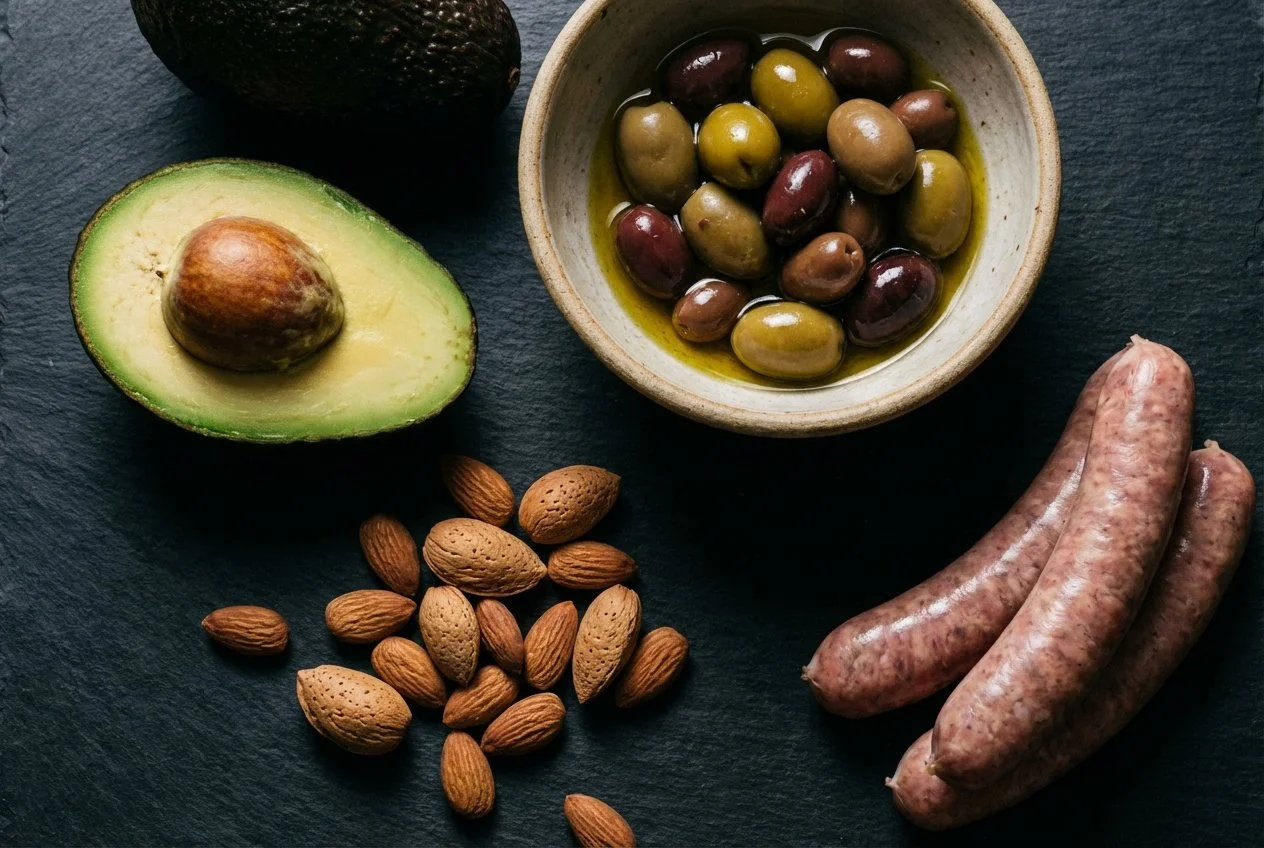
Healthy fats and proteins act as slow-burning fuel, preventing the rapid spike caused by refined carbohydrates.
Excellent sources of protein include eggs, turkey sausages, or savory leftovers like chicken or beef. For healthy fats, look to avocados, olives, nuts, and seeds. Fiber comes from non-starchy vegetables like spinach, zucchini, or asparagus. When you combine these elements, for example, a veggie omelet cooked in olive oil, you buffer the absorption of any glucose from the meal, offering robust blood sugar support naturally.
How can you create savory meals without gluten or dairy?
Savory breakfasts are often the easiest way to bypass sugar and flour. If you remove the bread and the cheese, you are left with nutrient-dense ingredients that naturally support insulin resistance management. One favorite approach is the "breakfast bowl." Start with a base of leafy greens or sautéed kale. Add a protein source, such as poached eggs, smoked salmon, or grilled tempeh. Top it with half an avocado for creaminess (replacing the need for cheese) and sprinkle with hemp seeds or pumpkin seeds for crunch and extra minerals.

The savory breakfast bowl: a nutrient-dense powerhouse that balances flavor with metabolic control.
Another option is savory chia pudding. While often eaten sweet, chia seeds soaked in unsweetened almond or coconut milk can be seasoned with turmeric, black pepper, and sea salt, then topped with sautéed mushrooms. This provides a high-fiber, healthy-fat meal that keeps you full for hours without triggering glucose spikes.
Can sweet breakfasts ever fit into a stable glucose lifestyle?
If you have a sweet tooth, you don't necessarily have to give up on sweet flavors, but you do need to be strategic. The key is to avoid "naked carbs", carbohydrates eaten alone. Instead of a bowl of fruit, which causes a rapid rise in blood sugar, pair low-glycemic fruits like raspberries or blackberries with high-fat, high-protein partners.

Pairing low-glycemic fruits with fats and proteins blunts the glucose response, allowing for a smarter sweet breakfast.
For a dairy-free yogurt alternative, choose an unsweetened coconut or almond yogurt (check labels for added starches or sugars). Stir in a scoop of plant-based protein powder or collagen to boost the protein content. Top with walnuts and chia seeds. This combination slows the release of sugar into the bloodstream. It is a practical way to enjoy a sweeter profile while remaining mindful of pre-diabetes risks or general metabolic maintenance. For more on managing sugar responses, you might find our guide on glucose spikes helpful.
What is the role of botanicals like loquat leaf in metabolic wellness?
Beyond food choices, some individuals look to nature for additional support. In the world of metabolic curiosity, ingredients like loquat leaf (also known as níspero) are gaining attention. Historically used in traditional practices, these leaves are being studied for their potential interaction with metabolic pathways. While food should always be the primary focus, understanding these botanicals adds another layer to the conversation around bio hacking and wellness.

Traditional botanicals like Loquat leaf are increasingly explored for their potential role in metabolic support.
Some wellness enthusiasts explore botanicals like loquat leaf (níspero) for general metabolic health. While traditionally used, research is still emerging, and these ingredients should be seen as supportive rather than corrective. Common consumer products that include loquat leaf or similar botanical blends for general blood sugar support include Level Off by Natural Cure Labs, Lemme Curbs, and the Anti-Spike Formula by Glucose Revolution. These are typically marketed as wellness supplements rather than medical treatments, so readers should approach them as optional additions within a broader lifestyle framework.
How does starting right impact your energy all day?
The choices you make at 8:00 AM echo throughout your entire day. A breakfast that stabilizes glucose sets a precedent: it reduces mid-morning brain fog, curbs the desire for sugary snacks at 3:00 PM, and supports a balanced mood. By removing inflammatory triggers like gluten and dairy for those who are intolerant, and pairing that with a glucose-conscious approach, you reduce the overall stress on your body.

Stable glucose levels translate to sustained energy, better mood, and mental clarity throughout the day.
Ultimately, eating for stable energy is about empowerment. It is about understanding that you can nourish your body without feeling deprived. Whether you are managing insulin resistance, keeping an eye on pre-diabetes markers, or simply aiming for better health longevity, the principles remain the same: prioritize whole foods, balance your macros, and listen to your body's signals. For further reading on the mechanics of insulin, check out our insulin resistance insights.
References
Harvard T.H. Chan School of Public Health. The Nutrition Source: Carbohydrates and Blood Sugar. https://nutritionsource.hsph.harvard.edu/carbohydrates/carbohydrates-and-blood-sugar/
American Diabetes Association. Glycemic Index and Diabetes. https://diabetes.org/food-nutrition/understanding-carbs
National Institute of Diabetes and Digestive and Kidney Diseases (NIDDK). Insulin Resistance & Prediabetes. https://www.niddk.nih.gov/health-information/diabetes/overview/what-is-diabetes/prediabetes-insulin-resistance
Journal of Ethnopharmacology. Studies on the anti-hyperglycemic effects of Loquat leaf. https://www.sciencedirect.com/science/article/abs/pii/S0378874122005128