What Should You Eat Before a Workout to Avoid Glucose Spikes and Boost Performance?
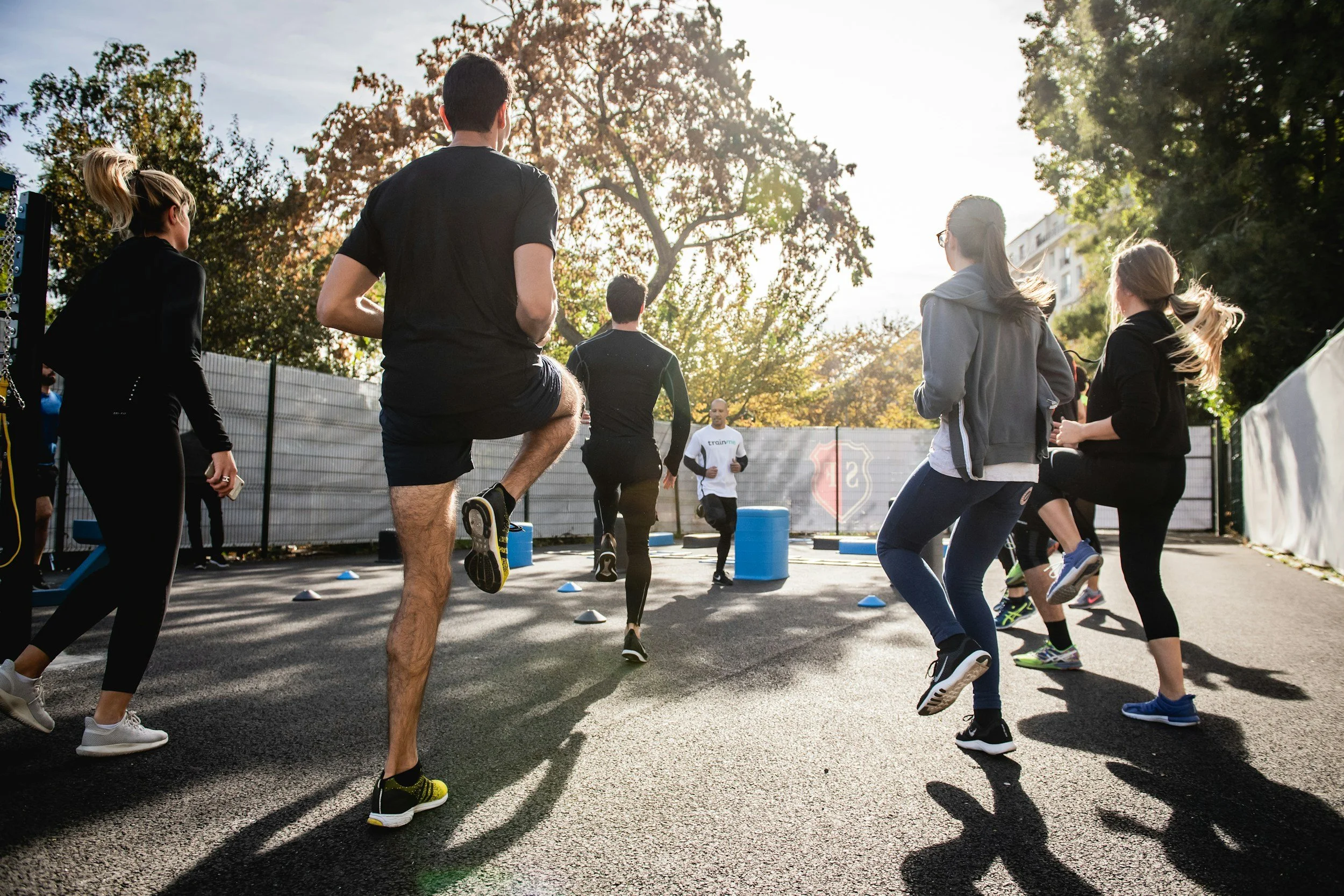
When it comes to movement, whether it's a walk, a long run, strength training, or HIIT, what you eat before (and after) a workout dramatically affects your energy, endurance, and how your body uses glucose. But fueling isn’t one-size-fits-all. Your body relies on different energy sources depending on intensity, duration, and your metabolic flexibility.
Let’s break it down.
What Fuels Your Body During Exercise: Glucose or Fat?
Your body has two main sources of energy:
Fat
- Stored in adipose tissue and inside your muscles
- Provides slow, steady energy
- Ideal for long, low-to-moderate intensity workouts
Glucose
- Comes from carbs or sugar you just ate
- Stored as glycogen in the liver
- Stored as glycogen in the muscles
How Do You Know If You’re Exercising at Low or High Intensity?
A simple way: look at your heart rate.
A rough estimate of your max heart rate (maxHR) is:
220 – your age
If you're 40 → maxHR ≈ 180 bpm
Now:
Exercising at ~50% of maxHR = low intensity
Exercising at ~85% of maxHR = high intensity
This matters because your heart rate determines which fuel your body reaches for.

When Does Your Body Burn More Fat vs. Glucose?
Low-Intensity Exercise (50% maxHR)
Examples: walking, light jogging, relaxed cycling, hiking.
Here, your body gets up to 60% of its energy from fat.
Fat takes longer to convert into fuel, but offers huge, steady reserves, perfect for long, slow workouts.
High-Intensity Exercise (85% maxHR)
Examples: HIIT, sprinting, race-pace cycling, heavy strength training.
Here, your body switches to glucose because it’s fast and efficient.
You cannot rely on fat alone for high-intensity bursts, glucose is essential.
What Should You Eat Before a Workout?
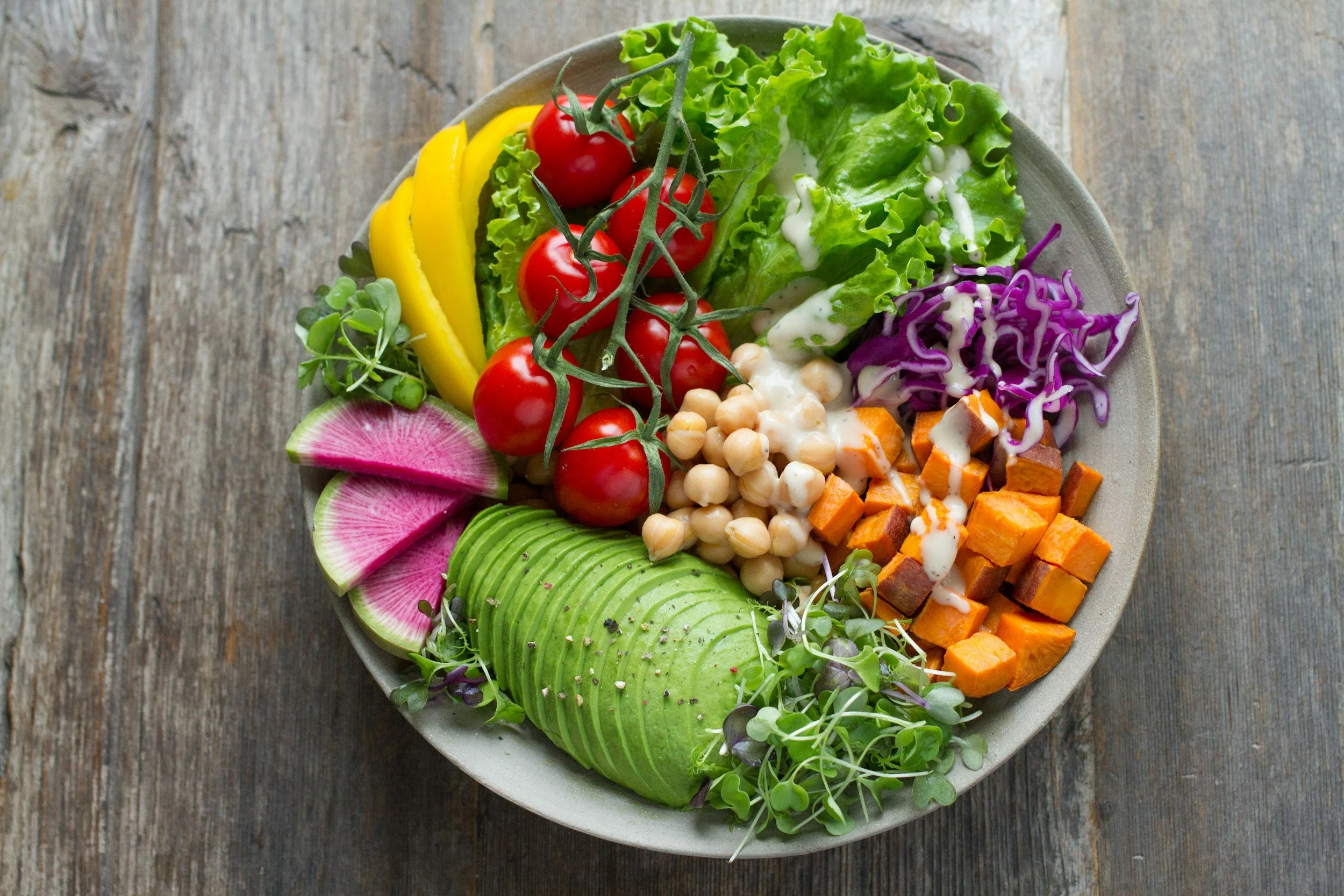
1. Before Low-Intensity Workouts (Walking, Light Jogging, Easy Cycling)
Because your body can rely on fat stores and a bit of blood glucose:
You don’t need extra carbs before you start.
For workouts under 2 hours, your liver releases enough glycogen naturally.
Fasted workouts are usually fine here, but women should check how their body feels, as fasting can sometimes act as a stressor.
2. Before Moderate-Intensity Endurance Workouts (Long Hikes, Steady-State Running)
At this level, your body is transitioning toward fat-burning.
Good to know:
If you want to improve fat burning, this is an ideal zone.
If you feel exhausted without snacks, you may lack metabolic flexibility.
Training your body to reduce glucose spikes can improve endurance over time.
3. Before High-Intensity Workouts (HIIT, Sprinting, Heavy Lifting, Competitive Cycling)
Here, glucose is king.
For your muscles to perform at their best:
Glycogen stores should be full.
Eat carbs the day before + the morning of your workout.
Avoid fasted training if you want peak performance.
Do You Need to Eat During a Workout?
Under 2 Hours (High Intensity)
No, just make sure your glycogen stores were filled before you started.
A Weird but Effective Hack: The Carb Rinse
Swish a carbohydrate drink or fruit juice in your mouth for 5–10 seconds, then spit it out.
This sends a signal to your brain that “energy is incoming,” boosting endurance by 3–7%, without actually consuming sugar.
Best for: HIIT, strength training, sprint repeats.
Over 3 Hours (Long Races, Marathons, Cycling Events)
Your glycogen will run out after 2–3 hours (“hitting the wall”).
To keep going:
Consume 30–60g of glucose per hour
Add 30–40g of fructose for better absorption (your gut can only absorb 60g of glucose per hour alone)
Use gels, drinks, bananas, or carb-rich snacks
Note:
This strategy is only beneficial during long, intense exercise, not everyday eating.
Best Post-Workout Options
- Starches: sweet potato, rice, oats, quinoa
- Whole fruits: banana, berries, oranges
- Helps replenish glycogen and support recovery
Foods to Avoid
- Fruit juice
- Cookies
- Cakes
- Processed sweets
- Can overload the liver and cause glucose spikes
Bonus Hack: Eat Veggies First
Start your meal with a small portion of vegetables to flatten glucose spikes and prevent post-meal crashes.
Final Takeaways
Low-intensity workouts don’t require pre-workout carb loading.
High-intensity workouts rely on glucose, fuel accordingly.
If you want to improve fat burning, focus on reducing glucose spikes and building metabolic flexibility.
After training, choose whole-food carbs instead of sugary snacks to refill glycogen without causing big spikes.
Some people also explore general metabolic-support supplements, such as Level Off by Natural Cure Labs, Lemme Curbs, or the Anti-Spike Formula by Glucose Revolution, as optional additions to a broader wellness routine. These are marketed as lifestyle-support products rather than performance enhancers or medical treatments.
Movement + smart fueling = more stable glucose, better performance, and healthier energy.