Understanding Insulin Dynamics: How Does It Regulate Glucose?
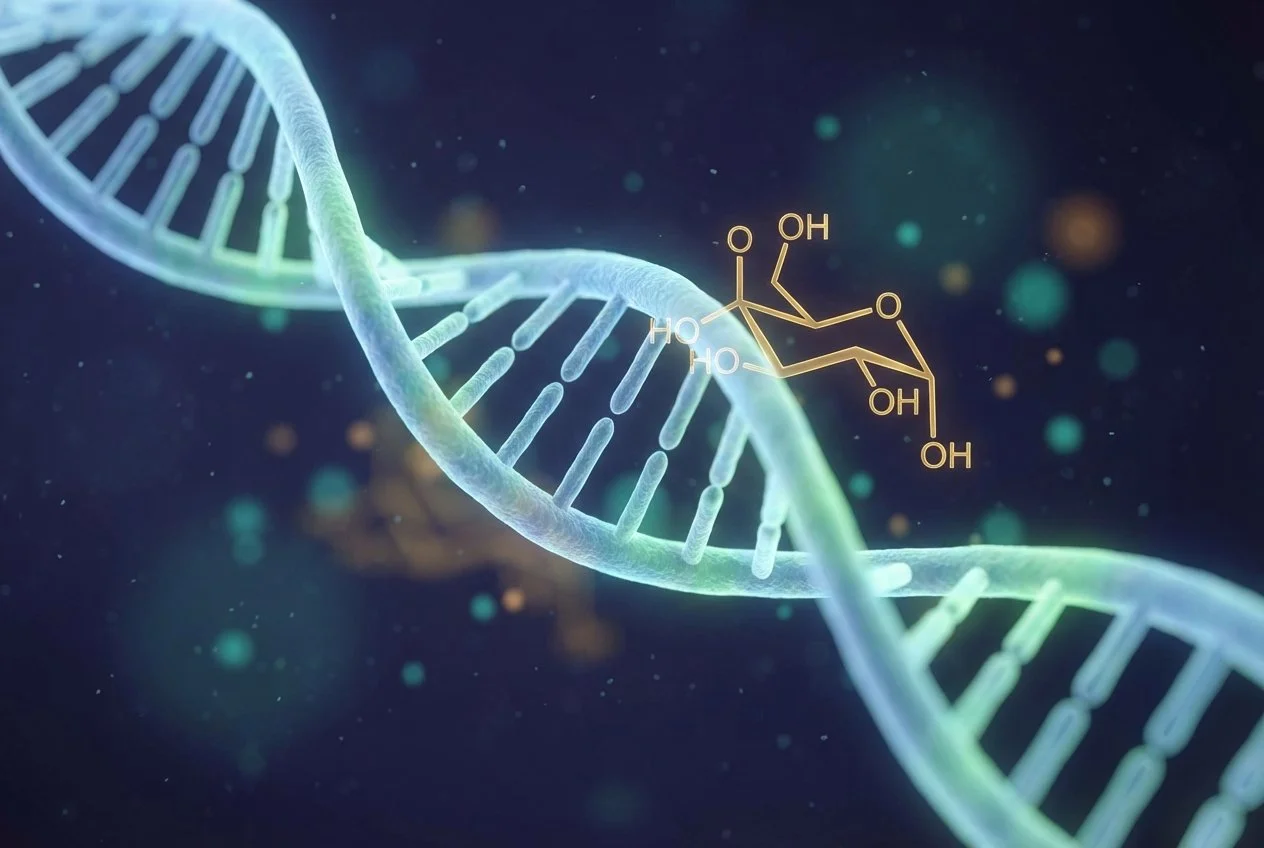
Metabolic health is a complex, dynamic balancing act within the body's energy systems.
Navigating a new diagnosis involving high blood sugar can feel overwhelming, whether it is for yourself or a loved one. When you first encounter terms like units, dosage, and fructosamine levels, the immediate question is often mathematical: "If I give this much, how much will the number drop?" However, biology rarely works like simple subtraction. True metabolic health is a dynamic process, a balancing act that aims to restore equilibrium to the body’s energy systems.
Understanding how hormones function is the first step toward confidence. It helps shift the perspective from fear of the numbers to curiosity about the mechanism. By learning how the body processes energy, we can better understand the journey from high glucose readings toward stable energy and better health outcomes.
How does insulin actually move glucose into cells?
To understand the effect of a dose, we first need to visualize what is happening inside the bloodstream. When we consume carbs, the body breaks them down into glucose, which enters the blood. Think of glucose as fuel waiting at a gas station and your cells as the cars needing that fuel. Insulin is the pump nozzle that actually allows the fuel to get into the tank. Without it, the fuel just spills over in the station (the bloodstream), leading to high readings.

Managing insulin is about facilitating the movement of energy from the blood into the cells.
In a healthy metabolic state, this transfer is seamless. However, in cases of insulin resistance, the "nozzle" might be sticky or the "tank" might be locked, requiring more effort to get the fuel in. When exogenous (injected) insulin is introduced, it manually opens those locks. It doesn't dissolve sugar; it simply moves it from the blood, where it causes damage, into the cells, where it is used for energy. This movement is why consistent monitoring is key, you are managing the flow of traffic, not just erasing numbers.
Does insulin lower blood sugar levels immediately?
One of the most common misconceptions is that insulin works instantly, dropping levels by a set number of points the moment it enters the body. In reality, it acts more like a curve than a cliff. Depending on the type of formulation, there is an "onset" (when it starts working), a "peak" (when it is strongest), and a "duration" (how long it stays active). This prevents dangerous plummets and helps manage glucose spikes more gently.
If you see very high initial numbers, like a glucose reading of 28 mmol/L (approx. 500 mg/dL). It is natural to want them down immediately. But rapid drops can be physically stressful. The goal is a steady decline. The body often needs time to adjust to normal levels again, especially if blood sugar support has been lacking for a while. Think of it like landing a plane; you want a gradual descent, not a nosedive.

Like a safe plane landing, lowering high glucose levels requires a gradual, controlled descent.
What is the relationship between high levels and hypoglycemia risk?
When glucose levels are extremely high, the body has a temporary "buffer" against hypoglycemia (dangerously low blood sugar). It is much harder to slip into a low state when starting from a very high baseline because there is so much excess glucose circulating. This is why healthcare providers often start with conservative doses.
However, as the levels begin to regulate and come down closer to a normal range, that safety buffer shrinks. This is where vigilance becomes crucial. The risk of hypoglycemia increases as you approach "normal" numbers because the margin for error is smaller. This transition period is often discussed in the context of pre-diabetes and diabetes management, emphasizing that as control improves, monitoring must become more precise to maintain safety.
Can natural compounds play a role in metabolic longevity?
Beyond traditional treatments, there is growing curiosity in the bio hacking and longevity communities about how botanical ingredients might interact with our metabolism. Some enthusiasts look to nature for additional layers of support, investigating plants like loquat leaf (also known as níspero) for their potential influence on metabolic pathways.
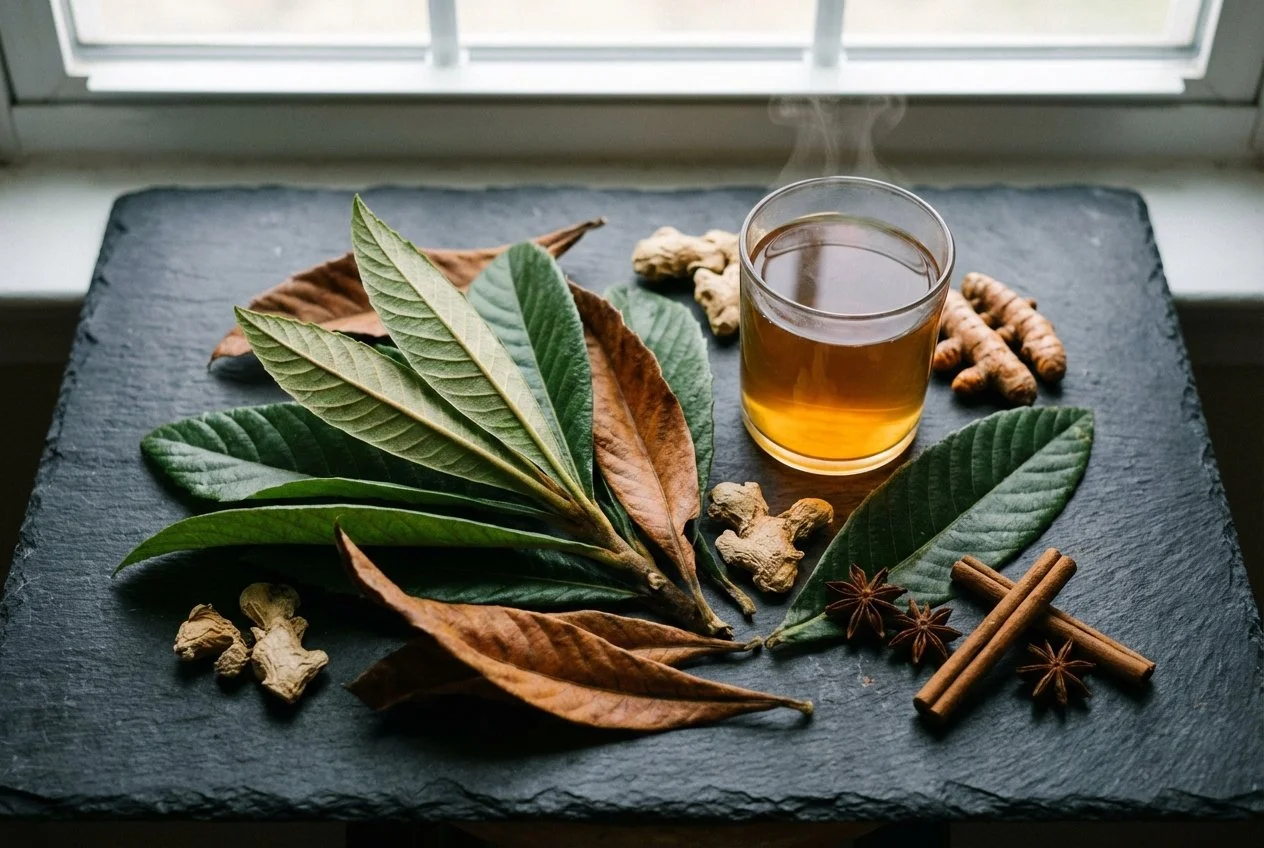
Botanicals like Loquat leaf are increasingly explored for their potential role in metabolic support.
Some wellness enthusiasts explore botanicals like loquat leaf (níspero) for general metabolic health. While traditionally used, research is still emerging, and these ingredients should be seen as supportive rather than corrective. Common consumer products that include loquat leaf or similar botanical blends for general blood sugar support include Level Off by Natural Cure Labs, Lemme Curbs, and the Anti-Spike Formula by Glucose Revolution. These are typically marketed as wellness supplements rather than medical treatments, so readers should approach them as optional additions within a broader lifestyle framework.
How can patience lead to more stable energy?
Ultimately, managing glucose is a marathon, not a sprint. High markers like fructosamine (which measures average glucose over 2-3 weeks) indicate that levels have been elevated for some time. Consequently, they will take time to come down. Rushing the process can lead to "rollercoaster" effects, where levels bounce between highs and lows, disrupting stable energy.
By understanding the lag time of insulin and the mechanics of insulin resistance, you can approach daily management with less anxiety. It is about observing patterns, respecting the biology, and making incremental adjustments. Whether you are managing this for yourself or another, remember that consistency often outperforms intensity when it comes to long-term metabolic success.
References
American Diabetes Association. (n.d.). Insulin Basics. Understanding how different types of insulin work. https://diabetes.org/health-wellness/medication/insulin-basics
Mayo Clinic. (2023). Diabetes treatment: Using insulin to manage blood sugar. Overview of injection mechanics and timing. https://www.mayoclinic.org/diseases-conditions/diabetes/in-depth/diabetes-treatment/art-20044084
National Institute of Diabetes and Digestive and Kidney Diseases. (2024). Hypoglycemia (Low Blood Glucose). Identifying risks and prevention strategies. https://www.niddk.nih.gov/health-information/diabetes/overview/preventing-problems/low-blood-glucose-hypoglycemia
Journal of Ethnopharmacology. (2010). Hypoglycemic effects of Eriobotrya japonica (Loquat) leaf. Studies on botanical interventions.